

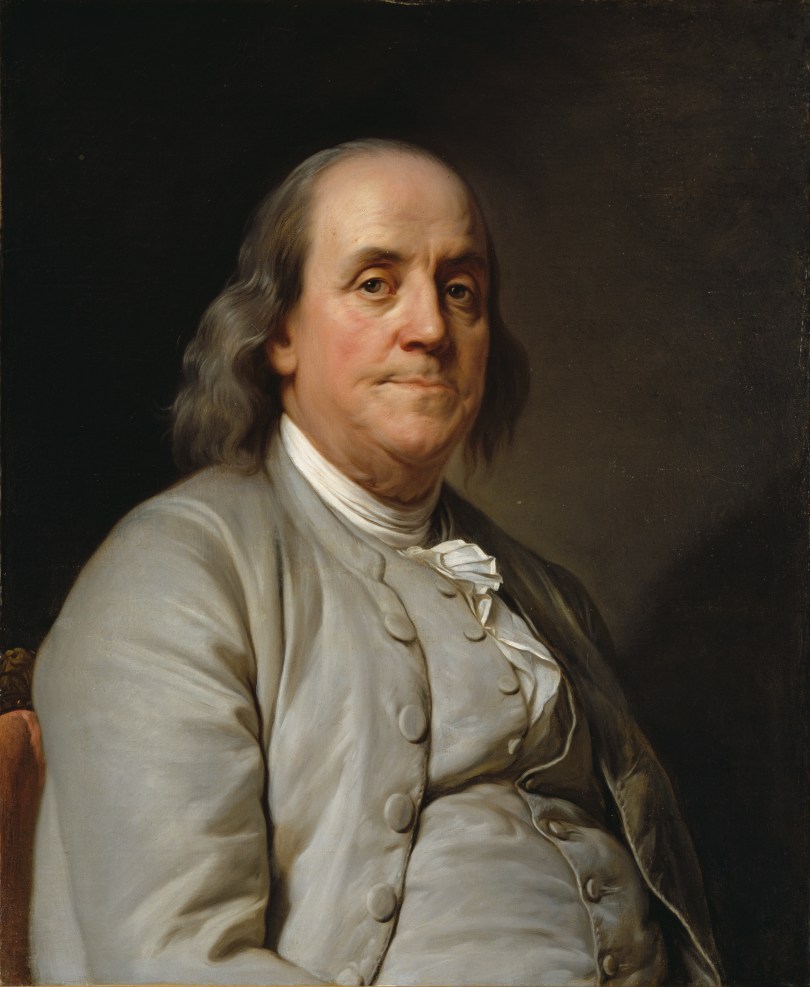
Well, another MAGAWeek is in the books. It was a star-spangled affair, with biographies of four important historical figures (one of recent vintage, the others from the eighteenth and nineteenth centuries). $5 and up subscribers also got three bonus editions of Sunday Doodles (here, here, and here).
Of course, to get access to my four detailed biographies—as well as all past MAGAWeek posts—it’s just $1 a month. One measly buck! As of the time of this writing, there are 429 posts on my SubscribeStar page, over half of which are available for just $1 a month. At $5 a month, it comes out to one cent per post as of right now, and I’m adding new content every single week (with rare exceptions).
Even at just $1 a month, and assume (conservatively) that you only get access to half of the posts (about 215 posts), it works out to just $0.0047 per post—less than a half-cent per post!
At $12 a year—the price of a single, one-topping large pizza—you can a.) support your favorite chubby content creator and b.) gain access to an ever-growing library of long-form essays. For $60 a year—what most of us pay for Internet access for one month—you get everything—doodles (which often contain additional commentary), bonus doodles, bonus posts, exclusive election coverage posts, etc., etc.
Thanks to those who have donated and subscribed in the past. Please help spread the word!
- “MAGAWeek2023: John Taylor Gatto” (SubscribeStar) – John Taylor Gatto was a major figure in the homeschooling and “unschooling” movements, and highlighted the insidious nature of compulsory education in the twentieth century and today.
- “MAGAWeek2023: George Whitefield” (SubscribeStar) – A somewhat forgotten figure now, George Whitefield was a celebrity evangelist in his day, and brought revival to England and British North America (the colonies).
- “MAGAWeek2023: Benjamin Franklin” (SubscribeStar) – The quintessential, living embodiment of the spirit of the eighteenth century, Benjamin Franklin’s long and varied career is an inspiration to Americans to the present.
- “MAGAWeek2023: James Madison” (SubscribeStar) – Short and shy, what James Madison lacked in stature he made up for with political brilliance.
Happy Sunday!
—TPP
Other Lazy Sunday Installments:
- Lazy Sunday – APR Pieces
- Lazy Sunday II – Lincoln Posts
- Lazy Sunday III – Historical Moments
- Lazy Sunday IV – Christianity
- Lazy Sunday V – Progressivism, Part I
- Lazy Sunday VI – Progressivism, Part II
- Lazy Sunday VII – Deep State
- Lazy Sunday VIII – Conservatism
- Lazy Sunday IX – Economics, Part I
- Lazy Sunday X – Economics, Part II
- Lazy Sunday XI – Walls
- Lazy Sunday XII – Space
- Lazy Sunday XIII – Immigration
- Lazy Sunday XIV – Gay Stuff
- Lazy Sunday XV – Work
- Lazy Sunday XVI – #MAGAWeek2018
- Lazy Sunday XVII – #MAGAWeek2019
- Lazy Sunday XVIII – SubscribeStar Posts
- Lazy Sunday XIX – Music
- Lazy Sunday XX – The Laziest Sunday
- Lazy Sunday XXI – Travel
- Lazy Sunday XXII – Reading
- Lazy Sunday XXIII – Richard Weaver
- Lazy Sunday XXIV – Education
- Lazy Sunday XXV – Techno-Weirdos
- Lazy Sunday XXVI – Small Town Living
- Lazy Sunday XXVII – Bric-a-Brac
- Lazy Sunday XXVIII – World History
- Lazy Sunday XXIX – The New Criterion
- Lazy Sunday XXX – Trump, Part I
- Lazy Sunday XXXI – Trump, Part II
- Lazy Sunday XXXII – Festivals
- Lazy Sunday XXXIII – Virtue Signalling
- Lazy Sunday XXXIV – The Desperate Search for Meaning Series
- Lazy Sunday XXXV – Corporate Grind
- Lazy Sunday XXXVI – Best of the Reblogs, Part I
- Lazy Sunday XXXVII – Best of the Reblogs, Part II
- Lazy Sunday XXXVIII – Best of the Reblogs, Part III
- Lazy Sunday XXXIX – A Very Dokken Christmas Series
- Lazy Sunday XL – Christmas Carols
- Lazy Sunday XLI – Food
- Lazy Sunday XLII – 2019’s Top Five Posts
- Lazy Sunday XLIII – Music, Part II: More Music
- Lazy Sunday XLIV – SubscribeStar Saturday Posts, Part II: The Search for More Money
- Lazy Sunday XLV – Techno-Weirdos II
- Lazy Sunday XLVI – Man Time
- Lazy Sunday XLVII – Winning
- Lazy Sunday XLVIII – Culture
- Lazy Sunday XLIX – Family
- Lazy Sunday L – The Best of Lazy Sunday
- Lazy Sunday LI – Just for Fun
- Lazy Sunday LII – Democratic Candidates, Part I
- Lazy Sunday LIII – Democratic Candidates, Part II
- Lazy Sunday LIV – Coronavirus
- Lazy Sunday LV – Animals
- Lazy Sunday LVI – Movies
- Lazy Sunday LVII – Christianity, Part II
- Lazy Sunday LVIII – Spring Break Short Story Recommendations Recap
- Lazy Sunday LIX – The God Pill Series
- Lazy Sunday LX – Music, Part II: Gigging
- Lazy Sunday LXI – The Tuck
- Lazy Sunday LXII – The South
- Lazy Sunday LXIII – Holidays
- Lazy Sunday LXIV – Grab Bag
- Lazy Sunday LXV – Rioting
- Lazy Sunday LXVI – Video Games
- Lazy Sunday LXVII – Phone it in Fridays, Part I
- Lazy Sunday LXVIII – Phone it in Fridays, Part II
- Lazy Sunday LXIX – Phone it in Fridays, Part III
- Lazy Sunday LXX – Phone it in Friday, Part IV
- Lazy Sunday LXXI – Road Trips
- Lazy Sunday LXXII – Forgotten Posts, Volume I
- Lazy Sunday LXXIII – Forgotten Posts, Volume II
- Lazy Sunday LXXIV – Forgotten Posts, Volume III
- Lazy Sunday LXXV – Forgotten Posts, Volume IV
- Lazy Sunday LXXVI – Forgotten Posts, Volume V
- Lazy Sunday LXXVII – Rural America
- Lazy Sunday LXXVIII – Space, Part II
- Lazy Sunday LXXXIX – SCOTUS
- Lazy Sunday LXXX – Big Ideas
- Lazy Sunday LXXXI – Education, Part II
- Lazy Sunday LXXXII – Universal Studios
- Lazy Sunday LXXXIII – The Mountains
- Lazy Sunday LXXXIV – Halloween Hijinks
- Lazy Sunday LXXXV – Elections
- Lazy Sunday LXXXVI – Questions, Part I
- Lazy Sunday LXXXVII – Questions, Part II
- Lazy Sunday LXXXVIII – Questions, Part III
- Lazy Sunday LXXXIX – 100 Week Review
- Lazy Sunday XC – Questions, Part IV
- Lazy Sunday XCI – Questions, Part V
- Lazy Sunday XCII – Christmas
- Lazy Sunday XCIII – 2020’s Top Five Posts
- Lazy Sunday XCIV – My Favorite Things
- Lazy Sunday XCV – The Best of Lazy Sunday
- Lazy Sunday XCVI – More Movies: Movie Reviews, Part I
- Lazy Sunday XCVII – More Movies II: Movie Reviews, Part II
- Lazy Sunday XCVIII – More Movies III: Movie Reviews, Part III
- Lazy Sunday XCIX – Romantic Music
- Lazy Sunday C – Valentine’s Day
- Lazy Sunday CI – Obituaries, Part I
- Lazy Sunday CII – Obituaries, Part II
- Lazy Sunday CIII – Begging
- Lazy Sunday CIV – Time
- Lazy Sunday CV – Grab Bag II
- Lazy Sunday CVI – Adventures
- Lazy Sunday CVII – Easter
- Lazy Sunday CVIII – Spring Break Short Story Recommendations 2021 Recap
- Lazy Sunday CIX – Pillow Talk
- Lazy Sunday CX – Inspector Gerard Reviews
- Lazy Sunday CXI – Bric-a-Brac II
- Lazy Sunday CXII – Responsibility
- Lazy Sunday CXIII – Short Stories
- Lazy Sunday CXIV – More Movies IV: Movie Reviews, Part IV
- Lazy Sunday CXV – Memorable Mondays
- Lazy Sunday CXVI – Delays
- Lazy Sunday CXVII – More Movies V – Movie Reviews, Part V
- Lazy Sunday CXVIII – More Movies VI – Movie Reviews, Part VI
- Lazy Sunday CXIX – Summer Camps
- Lazy Sunday CXX – Animals, Part II
- Lazy Sunday CXXI – MAGAWeek2021 Posts
- Lazy Sunday CXXII – MAGAWeek2020 Posts
- Lazy Sunday CXXIII – Murphy
- Lazy Sunday CXXIV – Bible Posts
- Lazy Sunday CXXV – More Movies VII – Movie Reviews, Part VII
- Lazy Sunday CXXVI – Joy, Part I
- Lazy Sunday CXXVII – Joy, Part II – Music
- Lazy Sunday CXXVIII – Civilization
- Lazy Sunday CXXIX – Friends, Part I
- Lazy Sunday CXXX – Friends, Part II
- Lazy Sunday CXXXI – Friends, Part III
- Lazy Sunday CXXXII – Milestones
- Lazy Sunday CXXXIII – Inspector Gerard
- Lazy Sunday CXXXIV – Friends, Part IV
- Lazy Sunday CXXXV – More Movies VIII – Movie Reviews, Part VIII
- Lazy Sunday CXXXVI – More Movies IX – Movie Reviews, Part IX
- Lazy Sunday CXXXVII – More Halloween Hijinks
- Lazy Sunday CXXXVIII – Friends, Part V
- Lazy Sunday CXXXIX – More Movies, Part X – Movie Reviews, Part X
- Lazy Sunday CXL – More Movies, Part XI – Movie Reviews, Part XI
- Lazy Sunday CXLI – Thanksgiving Stuff(ing)
- Lazy Sunday CXLII – More Movies, Part XII – Movie Reviews, Part XII
- Lazy Sunday CXLIII – More Movies, Part XIII – Movie Reviews, Part XIII
- Lazy Sunday CXLIV – More Christmas Carols
- Lazy Sunday CXLV – Christmas Cheer
- Lazy Sunday CXLVI – 2021’s Top Five Posts
- Lazy Sunday CXLVII – More Movies, Part XIV – Movie Reviews, Part XIV
- Lazy Sunday CXLVIII – The Gemini Sonnets #1 and #2
- Lazy Sunday CXLIX – The Gemini Sonnets #3 and #4
- Lazy Sunday CL – The Gemini Sonnets #5 and #6
- Lazy Sunday CLI – More Movies, Part XV – Movies Reviews, Part XV
- Lazy Sunday CLII – Romance
- Lazy Sunday CLIII – Behind the Songs, Part I
- Lazy Sunday CLIV – Behind the Songs, Part II
- Lazy Sunday CLV – Péchés d’âge moyen Posts
- Lazy Sunday CLVI – More Son of Sonnet
- Lazy Sunday CLVII – Ponty’s Posts, Part I
- Lazy Sunday CLVIII – Ponty’s Posts, Part II
- Lazy Sunday CLIX – Scrambie Eggs
- Lazy Sunday CLX: Fine Arts Festival
- Lazy Sunday CLXI: Easter II
- Lazy Sunday CLXII: Spring Break Short Story Recommendations Recap 2022
- Lazy Sunday CLXIII: Friends, Part VI
- Lazy Sunday CLXIV: Friends, Part VII
- Lazy Sunday CLXV: Friends, Part VIII
- Lazy Sunday CLXVI: Friends, Part IX
- Lazy Sunday CLXVII: Friends, Part X
- Lazy Sunday CLXVIII: More Movies, Part XVI: Movie Reviews, Part XVI
- Lazy Sunday CLXIX: More Movies, Part XVII: Movie Reviews, Part XVII
- Lazy Sunday CL: More Movies, Part XVIII: Movie Reviews, Part XVIII
- Lazy Sunday CLI: Frederick Ingram, Part I
- Lazy Sunday CLII: Frederick Ingram, Part II
- Lazy Sunday CLIII: MAGAWeek2022
- Lazy Sunday CLIV: More Movies, Part XIX: Movie Reviews, Part XIX
- Lazy Sunday CLV: More Movies, Part XX: Movie Reviews, Part XX
- Lazy Sunday CLVI: More Movies, Part XXI: Movie Reviews, Part XXI
- Lazy Sunday CLVII: School, Part I
- Lazy Sunday CLVIII: School, Part II
- Lazy Sunday CLIX: More Movies, Part XXII: Ponty’s Worst Films, Part I
- Lazy Sunday CLX: More Movies, Part XXIII: Portly’s Worst Films, Part I
- Lazy Sunday CLXI: More Movies, Part XXIV: Ponty’s Worst Films, Part II
- Lazy Sunday CLXII: More Movies, Part XXV: Portly’s Worst Films, Part II
- Lazy Sunday CLXIII: More Movies, Part XXVII: Ponty’s Worst Films, Part III
- Lazy Sunday CLXIV: More Movies, Part XXVIII: Portly’s Worst Films, Part III
- Lazy Sunday CLXV: More Movies, Part XXIX: Ponty and Portly’s #1 Worst Films
- Lazy Sunday CLXVI: More Movies, Part XXX: Midweek Myers Movie Reviews, Part I
- Lazy Sunday CLXVII: More Movies, Part XXXI: Midweek Myers Movie Reviews, Part II
- Lazy Sunday CLXVIII: Video Games II: Ponty’s Picks
- Lazy Sunday CLXIX: Even More Halloween Hijinks: The Musical
- Lazy Sunday CLXX: Cozy Time
- Lazy Sunday CLXXI: Veterans Day Posts
- Lazy Sunday CLXXII: Myersvision, Part I
- Lazy Sunday CLXXIII: Thanksgiving Week Posts
- Lazy Sunday CLXXIV: Solo Cover EP, Part I
- Lazy Sunday CLXXV: Solo Cover EP, Part II
- Lazy Sunday CLXXVI: 2022’s Top Three
- Lazy Sunday CLXXVII: Review[s] of A Christmas Carol (1951)
- Lazy Sunday CLXXVIII: The Worst of 2022
- Lazy Sunday CLXXIX: More Movies XXXII: Portly’s Best Films, Part I
- Lazy Sunday CLXXX: More Movies XXXIII: Ponty’s Best Films, Part I
- Lazy Sunday CLXXXI: More Movies XXXIV: Portly’s Best Films, Part II
- Lazy Sunday CLXXXII: More Movies XXXV: Ponty’s Best Films, Part II
- Lazy Sunday CLXXXIII: Péchés d’âge moyen Picks
- Lazy Sunday CLXXXIX: Arizonan Sojourn, Part I
- Lazy Sunday CXC: Portly’s Best Films, Part III
- Lazy Sunday CXCI: Ponty’s Best Films, Part III
- Lazy Sunday CXCII: The Beach
- Lazy Sunday CXCIII: Walks
- Lazy Sunday CXCIV: Paintings
- Lazy Sunday CXCV: Arizonan Sojourn, Part II
- Lazy Sunday CXCVI: Hono[u]rable Mentions
- Lazy Sunday CXCVII: Easter III
- Lazy Sunday CXCVIII: Spring Break Short Story Recommendations 2023
- Lazy Sunday CXCIX: Ponty and Portly’s #1 Picks
- Lazy Sunday CC: Myersvision, Part II
- Lazy Sunday CCI: Myersvision, Part III
- Lazy Sunday CCII: Myersvision, Part IV
- Lazy Sunday CCIII: Myersvision, Part V
- Lazy Sunday CCIV: Myersvision, Part VI
- Lazy Sunday CCV: Myersvision, Part VII
- Lazy Sunday CCVI: Intergalactic Nonsense
- Lazy Sunday CCVII: Stories
- Lazy Sunday CCVIII: Original Music, Part I
- Lazy Sunday CCIX: Original Music, Part II

 The Portly Politico