The news has been a bit slow over the weekend. Other than the Facebook deplatforming controversy—a major issue—and the trade war with China, there hasn’t been much going on.
As such, I turned to the fount of all relevant political topics, Drudge Report, to see if anything interesting is afoot. Buried about halfway down the cluttered list of headlines was a piece in Politico, “Trump backers applaud Warren in heart of MAGA country.”
Well, that’s something. West Virginia went for Trump with 68.5% of the vote, the largest margin of victory any candidate has ever had in the State in a presidential election.
As I peeled back the layers of this brief fluff piece, though, I began to realize the news is not as good for Democratic hopefuls as the optimistic headline lead me to believe. The media loves to play up the possibility of a major, unexpected “spoiler” for Democrats in deep red States. Every four years, I always hear some scuttlebutt about South Carolina going for the Democratic candidate—“they really have a chance this year if enough black voters turn out”—but it never happens.
West Virginia, though, was reliably, solidly Democratic for decades, thanks in part to the outsize influence of the late Senator Robert Byrd. Senator Byrd secured billions in federal funding for various projects in the Mountain State, a State that tops the charts for economic privation. As the Democratic Party increasingly abandoned rural voters, however, and Secretary Hillary Clinton promised to destroy the coal mining industry—effectively ruining her chances in the State (which her husband won in 1992 and 1996)—West Virginia shifted towards the Republicans.
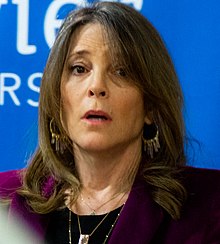
President Trump’s victory came amid a promise to restore the coal mining industry, to protect American jobs, and to fight the opioid crisis. It’s on that last point that Senator Elizabeth Warren received applause.
Warren is a canny politician, but her hatred for conservatives is palpable—you can see the barely-restrained rage on her face when she talks about us. But it seems that, unlike Minnesota Senator Amy Klobuchar, Warren can control that anger when doing so will benefit her politically. Going to the stronghold of the enemy of opining on a major problem within that stronghold is a shrewd act of reinvention: “I’m not a crazy Leftist, I just get angry when good folks are taken advantage of” seems to be the idea.
Politico is quick to point out one woman who will change her vote from Trump to Warren (assuming Warren wins the Democratic nomination, a possibility that seems remote), and pettily notes the small “Support Trump” rally held near Warren’s speech (remember: this is a town of a few hundred people), but here was a key section of the piece:
The 63-year-old fire chief, Wilburn “Tommy” Preece, warned Warren and her team beforehand that the area was “Trump country” and to not necessarily expect a friendly reception. But he also told her that the town would welcome anyone, of any party, who wanted to address the opioid crisis. Preece was the first responder to a reported overdose two years ago only to discover that the victim was his younger brother Timmy, who died.
Preece said after the event that he voted for Trump and that the president has revitalized the area economically. But he gave Warren props for showing up.
“She done good,” he said.
What you have here is not Trump voters abandoning the candidate who has revitalized their State’s sagging economy; instead, it’s Trump voters enthusiastic that others are taking note of the opioid crisis gripping their community. As Fire Chief Preece said in the quotation above, the town of Kermit, West Virginia, is willing to host anyone wanting to discuss the opioid crisis.
Still, this trip to MAGA Country was a smart move for Warren. It also suggests that voters are increasingly attracted to any populist message, be it from the Left or Right. Remember, Senator Bernie Sanders won 51.41% of the votes in the Democratic primary election in West Virginia. Voters in rural America seem eager to embrace populist figures who will at least pay lip service to their struggles.
Trump will easily win West Virginia and its five electoral votes in 2020—as he will the electoral votes of many rural States—but he shouldn’t let up on his populist message, especially in difficult swing States like Pennsylvania (and—dare I consider them swings?—Wisconsin and Michigan).







 The Portly Politico