
TBT: Spring Break Short Story Recommendation 2022: “Witch’s Money”

It’s SPRING BREAK!  One of my multiple cushy, extended breaks—the primary perk of dedicating one’s life to the molding of young minds—has now commenced, which means next week I’ll be inundating you with reviews of short stories, as is this blog’s Spring Break tradition.

One story I read last year was John Collier‘s “Witch’s Money.”  It’s the tale of a haughty artist who succumbs to the ignorance and greed of peasants who think that checks are a magic source of money. I read it when I was quite young—to young to appreciate its nuances at the time—and it made an impression on me.  Don’t write a check your butt can’t cash… or, at the very least, don’t write checks in lands where people don’t understand the basics of modern banking.

With that, here is 20 April 2022’s “Spring Break Short Story Recommendation 2022: ‘Witch’s Money’“:
Read More »

Spring Break Short Story Recommendation 2022: “Witch’s Money”

Today’s Spring Break Short Story Recommendation 2022 comes from a very old, very tattered collection of short stories I purchased probably twenty or more years ago.  I think I picked it up on a trip with my grandparents when I was somewhere between the ages of ten and thirteen, the amorphous “tween” years.

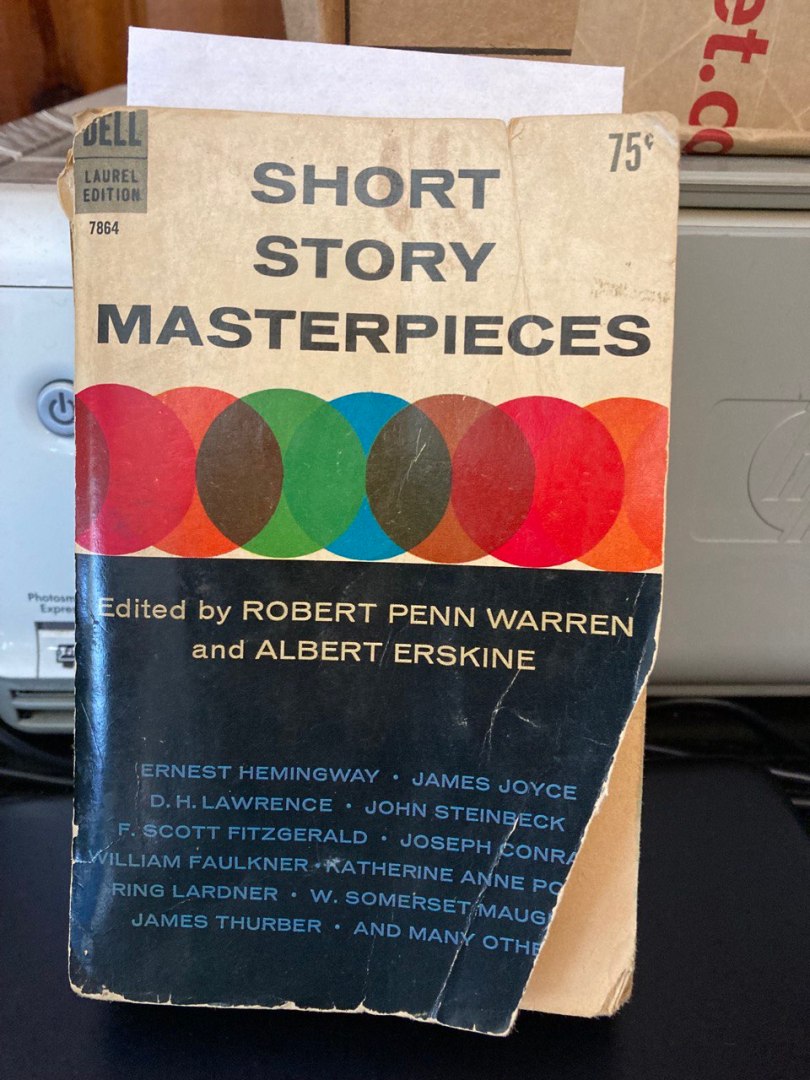
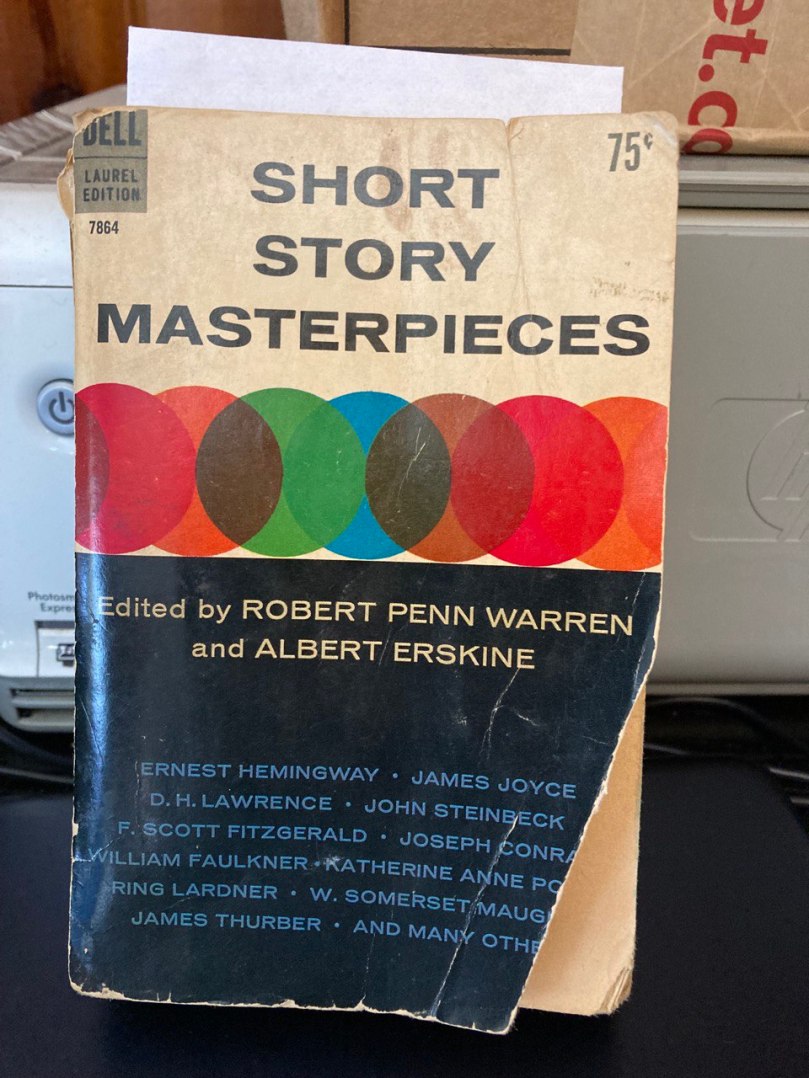
The collection is called, simply, Short Story Masterpieces, and boasts Robert Penn Warren as one of its editors (the other being Albert Erskine).  I have a vague recollection of attempting to read some of the stories in our hotel room the night that I bought it, and realized that these stories were way over my head at that time.  I could read the words, but I could not comprehend them, at least not fully.

Short Story Masterpieces

However, one story that always stuck out to me was John Collier‘s “Witch’s Money.”  I probably flipped to that story because it had “witch” in the title, and even back then ghost stories and the like fascinated me.  The story—which was published in The New Yorker in 1939—has little to do with hags and haunts, but instead explores a fatal misunderstanding about the nature of “cheques” (or “checks” to my fellow American readers).

Read More »