

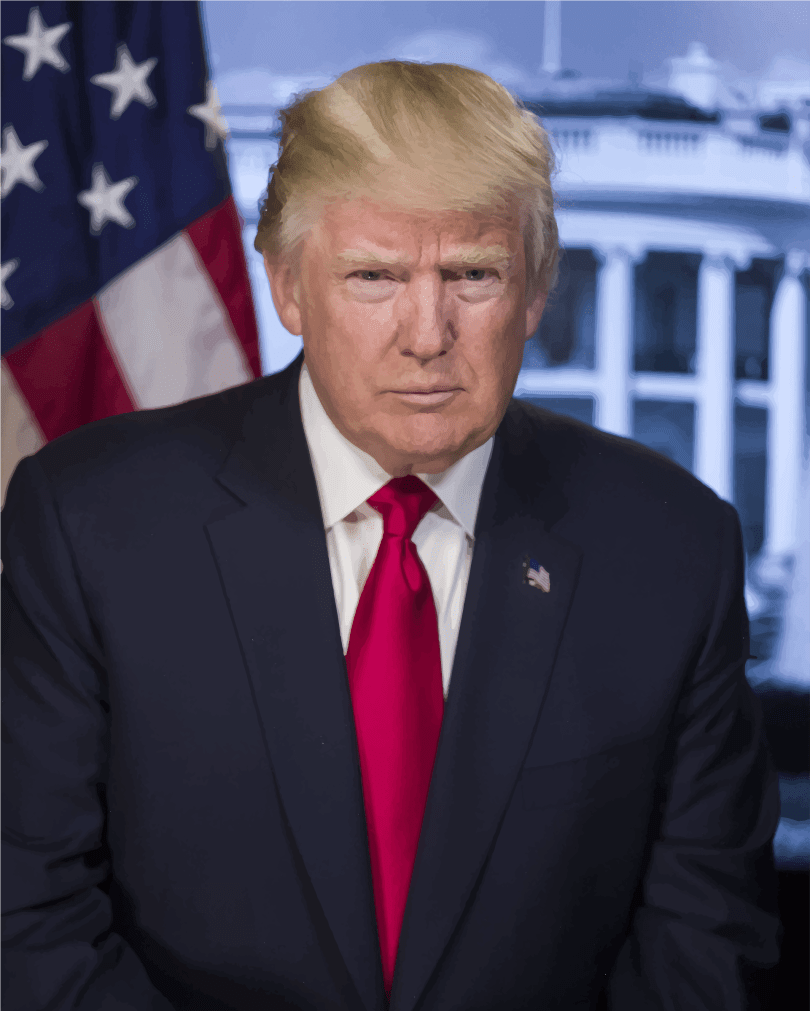
A major lesson of the 2016 election was that the neoliberal consensus of the prior thirty years was not the panacea its advocates claimed. Trump’s candidacy was premised on the notion that the national government should work for the interests of the nation’s people, not on behalf of globalist concerns and aloof cosmopolitan elites. Government could be reformed to strengthen the nation, rather than operating as the piggy bank for and protector of internationalists.
It’s interesting to reflect how entrenched the assumptions of neoliberalism were prior to 2015-2016. When Trump began his historic campaign, virtually no one on the Right was talking about tariffs, other than Pat Buchanan (and a long essay on the necessity of a trade war with China that Oren Cass wrote for National Review in 2014). The outsourcing of jobs overseas was assumed to be a short-term sacrifice that would result in more efficiency (ergo, lower prices on consumer goods) and more skilled jobs here. We were a “nation of immigrants,” so we’d better throw the doors wide open.
With Trump’s election, a long-dormant populist wing reemerged, consisting both of conservative Republicans and disgruntled Democrats. Tariffs became an important foreign and domestic policy tool. A trade war with China soon began, and the United States renegotiated the NAFTA agreement with Mexico and Canada. Manufacturing jobs began returning to the United States, and immigration laws began to be enforced (so long as those Hawaiian judges didn’t get in the way). The economy, rather than contracting as the free trade hardliners warned, grew exponentially, and even now is recovering at a remarkable clip after The Age of The Virus temporarily sidelined it.
 The Portly Politico