


A common observation on the Right is that the process is the punishment. Leftists understand this premise well: the power of an accusation and an attending lawsuit is that, even if the allegation is ultimately untrue, their opponent has endured costly legal battles. That battle can cost them even more, including their livelihoods and their families.
Few people are able or willing to pay the costs, both financial and psychological (and, increasingly, physical) of Leftist attacks. Those that do can look forward to years of grueling court appearances and legal fees, as the Masterpiece Cakeshop case demonstrated.
Conservatives know that story well: the Christian owner of the Colorado bakery refused to bake a cake for a same-sex wedding, and the Colorado Civil Rights Commission trampled all over his religious convictions. Rather than knuckle under to the social justice tyrants, the owner won a case in the Supreme Court after years of litigation… only to return home and have a man request a cake for a “gender transition” party. The CCRC pounced on Masterpiece Cakeshop again.
The Left, in this regard, is relentless, as we saw last week with the Carlos Maza incident. There is no pretext of fair play beyond the flimsiest, airiest of rhetoric—and, increasingly, the Left doesn’t bother with that.
Case in point: a small, family-run bakery, Gibson’s Bakery, in Oberlin, Ohio, won a three-year suit for $11 million in damages against ultra-progressive Oberlin College. The bakery was robbed the day after the 2016 election by three young black men, students at Oberlin. The owner reported it to the police, and the three men were arrested.
But, because the burglars were black and the owners white—and, as the Breitbart piece reporting on the case implies, the progressives of Oberlin wanted to vent their tear-soaked anger at Donald Trump’s presidential victory on some unsuspecting white folks—the arrests soon became about race.
Not only did students protest—their professors and administration gave them time out of class to do so (and snacks)! A college vice president, Meredith Raimondo, distributed flyers denouncing the bakery as racist, and which recommended other bakeries in the area. The college also severed its business relationship with the bakery.
Like a medieval pope demanding criminal bishops be tried in ecclesiastical courts instead of civil ones, Oberlin further demanded that “first-time” offenders who are students at the college be turned over to the school for punishment. Ignoring the glaring problem of how a shopkeeper is supposed to intuit if thugs in his store are first-time or repeat-offenders, that move to skirt the law through extralegal college tribunals smacks of the campus “rape” scare and its kangaroo courts—young men found guilty on flimsy charges of “retroactive rape” and the like. Of course, in this situation, we all know that the college “courts” would sweep the criminal indiscretions of its students under the rug.
The result: Gibson’s Bakery laid off most of its employees and nearly went out of business.
Justice was served in this instance with the much-deserved settlement (which has the potential to triple in value, pending a further hearing), but to quote commenter “mercury” on the Breitbart piece:
Unfortunately, there are probably 1,000,000 other cases that didn’t end so well for urban grocery stores, gas stations, convenience markets, clothes stores, and so on. This is where the perps got away with the theft, harassed or stole from customers, or shot the owners for resisting the theft.
Consider, too, the thousands of establishments that sucked it up and took one on the chin to stay in business. Freedom, sadly, isn’t free. Gibson’s Bakery defeated the Goliath of Oberlin College, but many Davids wither before progressive dominance.


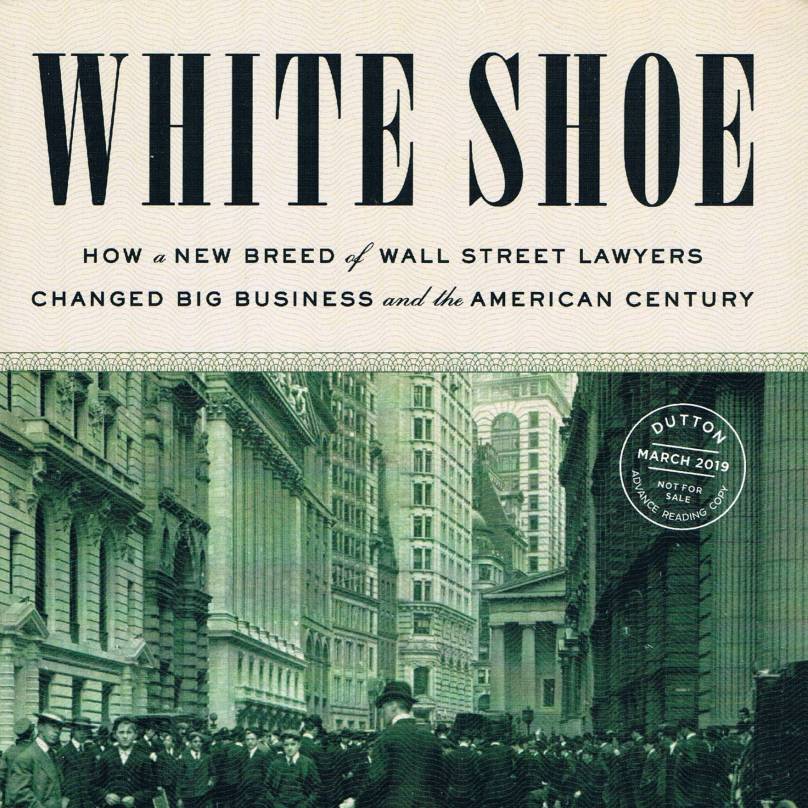 In a previous economy, I researched hundreds of corporations for the International Directory of Company Histories, so the prospect of peeking a little beyond the opaque public relations and investor relations curtain intrigued me. I’m also reminded of strolling along Fifth Avenue, whose equally opaque walls…
 The Portly Politico