SubscribeStar Saturday: Pee Dee State Farmers Market Plant & Flower Festival

Today’s post is a SubscribeStar Saturday exclusive.  To read the full post, subscribe to my SubscribeStar page for $1 a month or more.  For a full rundown of everything your subscription gets, click here.

Festival season continues apace; ergo, my reviews/travelogues/retrospectives/self-indulgent recaps of said festivals roll on as well.  If my use of the word “ergo” hasn’t turned your stomach, read on.

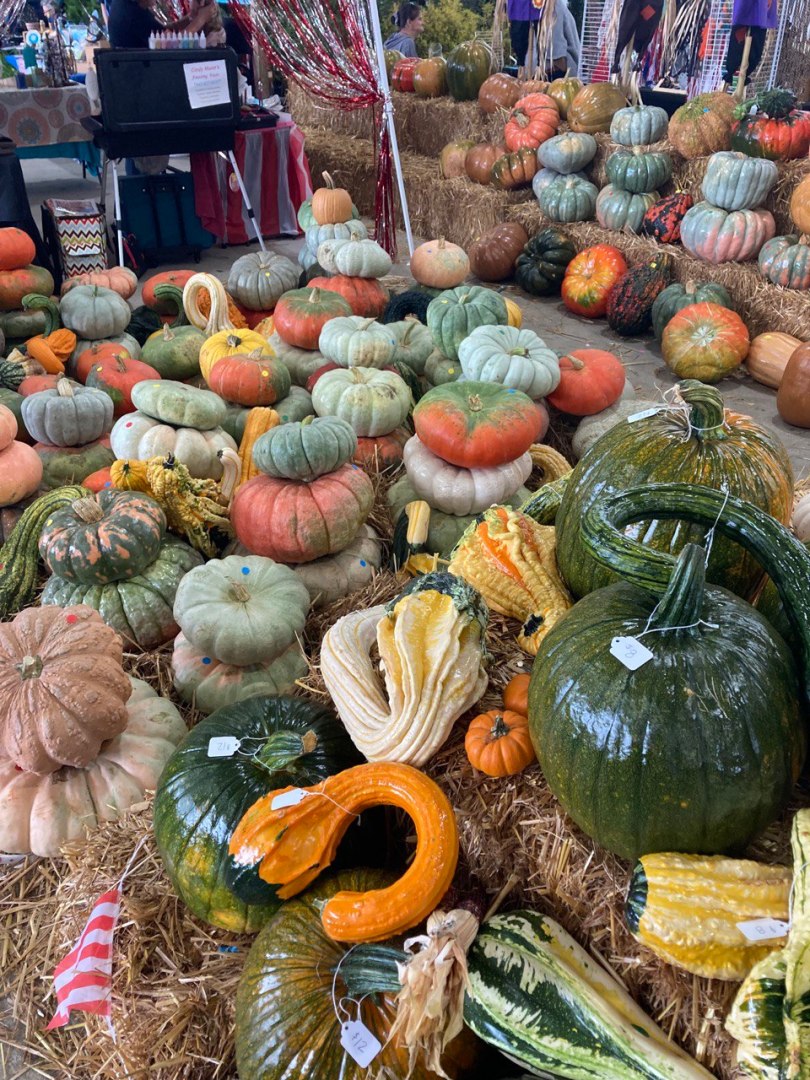
Last Saturday, 30 September 2023 I attended the Pee Dee State Farmers Market, which was hosting its annual Plant & Flower Festival.  I learned about the festival from, of all places, YouTube ads, featuring our long-serving Commissioner of Agriculture, Hugh Weathers.  Commissioner Weathers has held his office since 2004, and I’ve seen his name most of my adult life on gas station pumps (there’s a little inspector’s sticker that bears his name), but I’d never seen him until these commercials.

That uninteresting fact aside, I needed to pick up some pumpkins for carving, and I figured buying some Certified SC Grown pumpkins was the way to go.  There was also the added bonus of taking in another festival on a crisp, autumnal morning.

To read the rest of this post, subscribe to my SubscribeStar page for $1 a month or more.

TBT^2: Preserving Old Varieties

Recently, I had the opportunity to catch up with an old friend of mine from college.  He has turned the backyard of his cookie-cutter suburban house into a veritable Garden of Eden—or, at least, an impressive little homestead.  He’s managed to grow everything from blueberries to squash to melons and more, to the point that he can substantially impact his grocery bill—and that’s with three energetic sons!  The boys have already stripped the blueberry bushes clean.

He takes great joy in being able to feed his sons and his wife from his garden.  Sure, they still have to buy groceries, but they enjoy delicious, fresh fruits and vegetables throughout the year.  My friend also takes particular care to save seeds for future plantings, and has an impressive compost pile in a dark corner of the yard.  He tells me that about once a year he’ll dig to the bottom of the pile and find pure, black, nutrient-rich soil.

He even raises his own worms!  He tells me it’s incredibly easy to do, a “low effort, high reward” project that helps to keep his garden’s soil rich and aerated.  His young sons also love helping out in the garden, and the worms are a fun, crawly project for them all.  They even have a dill plant with monarch butterfly caterpillars, which he has had to cover with netting so the birds don’t gobble up the beautiful larvae.

It’s truly inspiring seeing this kind of backyard agriculture first-hand, and my friend’s dedication to preserving heirloom varieties while also feeding his family is impressive.  He gave me some corn kernels for planting, which I’ll save for next spring.

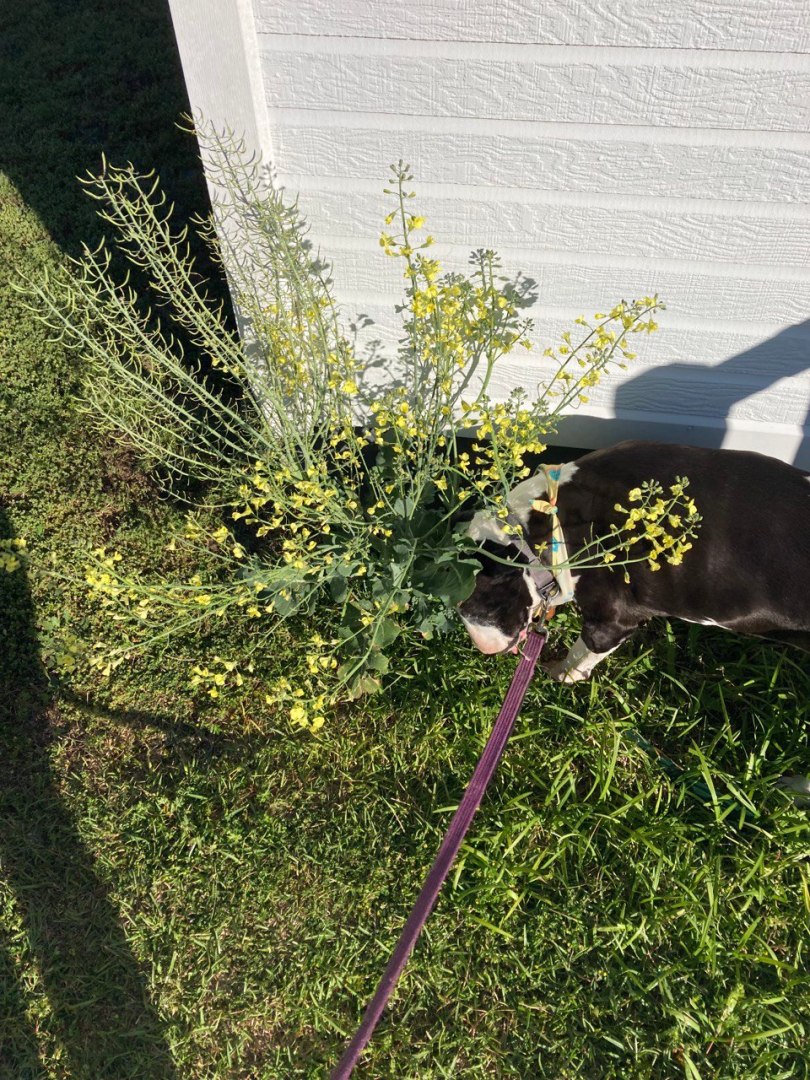
I did not arrive empty-handed, though.  The broccoli plants that I so disgracefully let wither managed to survive!  I had one, impressive, beautiful plant return.  Rather than gobbling it up, I let it flower.  The little buds we see on supermarket broccoli will, if left to grow, blossom into gorgeous yellow flowers.  Over time, seed pods will develop after the petals fall; those pods and their stems turn brittle, and eventually fall to the earth.  Either the second broccoli I planted made a comeback, too, or I have had a new plant rise up from fallen seeds.

Regardless, broccoli produce tons of seeds, and I was able to take my friend a bag full of them.  As for my plant, I’m going to let nature take its course and see what happens next.

Here’s to letting a thousand broccoli flowers bloom!

With that, here is 11 August 2022’s “TBT: Preserving Old Varieties“:

Read More »

TBT: Preserving Old Varieties

On Saturday I wrote a bit about an arrangement my neighbor and I have regarding my fig trees and grapevines:  I grow them, he picks them—and makes them into delicious preserves.  He’s also provided me with heirloom broccoli plants, which I shamefully think have largely died (though two stalks have somehow soldiered on through the hot summer months; I’m surprised they survived the heat!), and he grows an impressive garden himself.

So when casting about for this week’s TBT feature, this post about the Bradford watermelon—a variety thought lost to the world—fit neatly with what was already fresh on my mind.

There is so much variety out there compared to what the supermarkets put on offer.  We’d probably all be a lot happier and a good bit healthier if we tried some of these old varieties.

With that, here is 24 August 2021’s “Preserving Old Varieties“:

Read More »

TBT: Egged Off

Shortly over a year ago I wrote a piece about officious bureaucrats shutting down two little girls selling chicken eggs in Texas.  The girls were trying to help people out and make a few bucks after the crazy ice storm massively disrupted Texan supply lines.

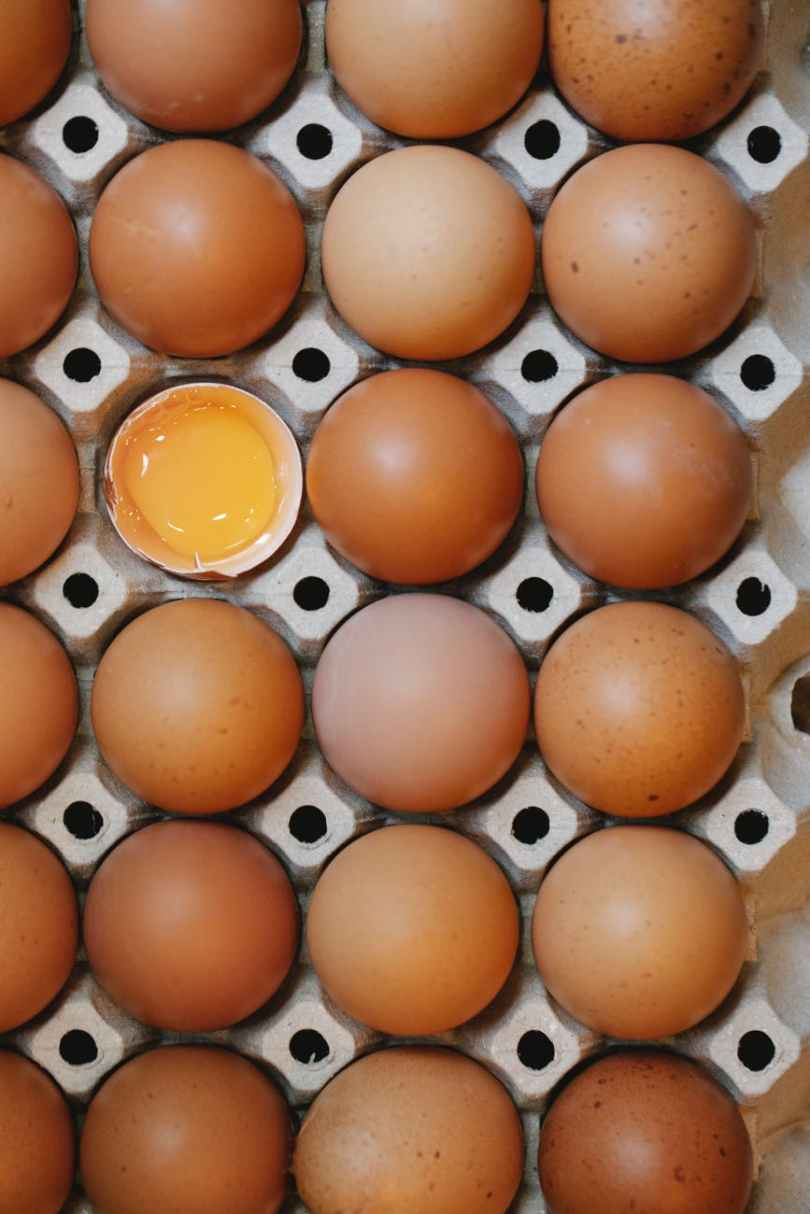
Since then, I’ve obtained a source to bring farm fresh eggs to my home on an as-needed basis; it’s one of many small blessings for which I am thankful.  With food prices even higher than they were a year ago, free eggs is a huge boon.

I ended this post with the admonishment “The time to start growing and raising our own food is now.”  But even yours portly has largely ignored his own advice.

Let’s work on changing that in 2022.

With that, here is 30 April 2021’s “Egged Off“:

Read More »

Preserving Old Varieties

My local paper, the Darlington New & Press, features a number of editorial writers typical of the kind that get gigs writing human interest pieces for tiny small town papers:  local pastors writing brief devotionals; a guy griping about the things we all gripe about; an astronomer.  They all write in a similar, mildly folksy manner, which I’m sure appeals to the more advanced age of the paper’s readership.

One of their writers, Tom Poland, wrote a fascinating piece last week about rare heirloom vegetables, “Long-lost treasures and heirloom seeds.”  The piece tracks down the Bradford Watermelon, a watermelon variety thought to be extinct, but which survived on the land Nat Bradford inherited from his family.  The watermelon variety dwindled in popularity in spite of its sweet, superior flavor because the rind was too thin to survive bulk shipping.

After years of research into arcane newspaper clippings and agricultural history, Bradford discovered that the melons growing on his ancestral farm are, indeed, the legendary Bradford Watermelons.

To quote Poland quoting Bradford:

In Nat’s words, “The greatest watermelon to have come from the great age of watermelon breeding fell out of cultivation. Lost to the world, the melon lived on in the Bradford family farm fields. The last seeds on the planet of this wonderful melon were in a couple of mason jars.”

What a remarkable legacy—and a fortuitous one.  Heirloom varieties of many plants are enjoying increased interest lately as part of the current homesteading movement, as these varieties are often tastier than their supermarket, genetically-modified alternatives.

I suspect, too, that there is a certain joy in knowing that by planting these forgotten seeds, you are directly contributing to the survival of a variety.  There is a link to the past, and the agricultural experiments of our forebears.

Read More »

Egged Off

An unfortunately perennial story that always gets traction here on the Right goes something like this:  precocious youngsters, hoping to engage in some earnest enterprise, start selling lemonade or the like from a roadside stand.  The kids are doing well and making good money (for kids), until an overzealous local health board official sends in the cops to bust up the lemonade stand.  Like Treasury Department revenuers smashing up a yokel’s still, these local officials destroy children’s dreams—and sometimes slap them with a fine.

It’s a story that guarantees outrage, and highlights the clueless, stringent rule-following of bureaucracies.  Yes, yes—technically you’re not supposed to sell lemonade and hot dogs without some kind of license, and the health department is supposed make sure your establishment is clean.  But these are kids, selling stuff on the side of the road.  Why bother?  Let them have fun and make a little money.

The latest such story involves two young ladies selling eggs in their town in Texas.  The Lone Star State has been reeling since the major winter storm hit a month or so back, and food supplies have been disrupted.  Having some backyard eggs for sale surely helped out some locals.

Unbeknownst to the girls—but beknownst to some overweening Karen, no doubt—a local ordinance prohibits the selling of eggs, though it permits the raising of chickens on one’s property.  That’s asinine.  Why can’t people sell eggs in a small town in Texas?

Read More »